
Small Town Living
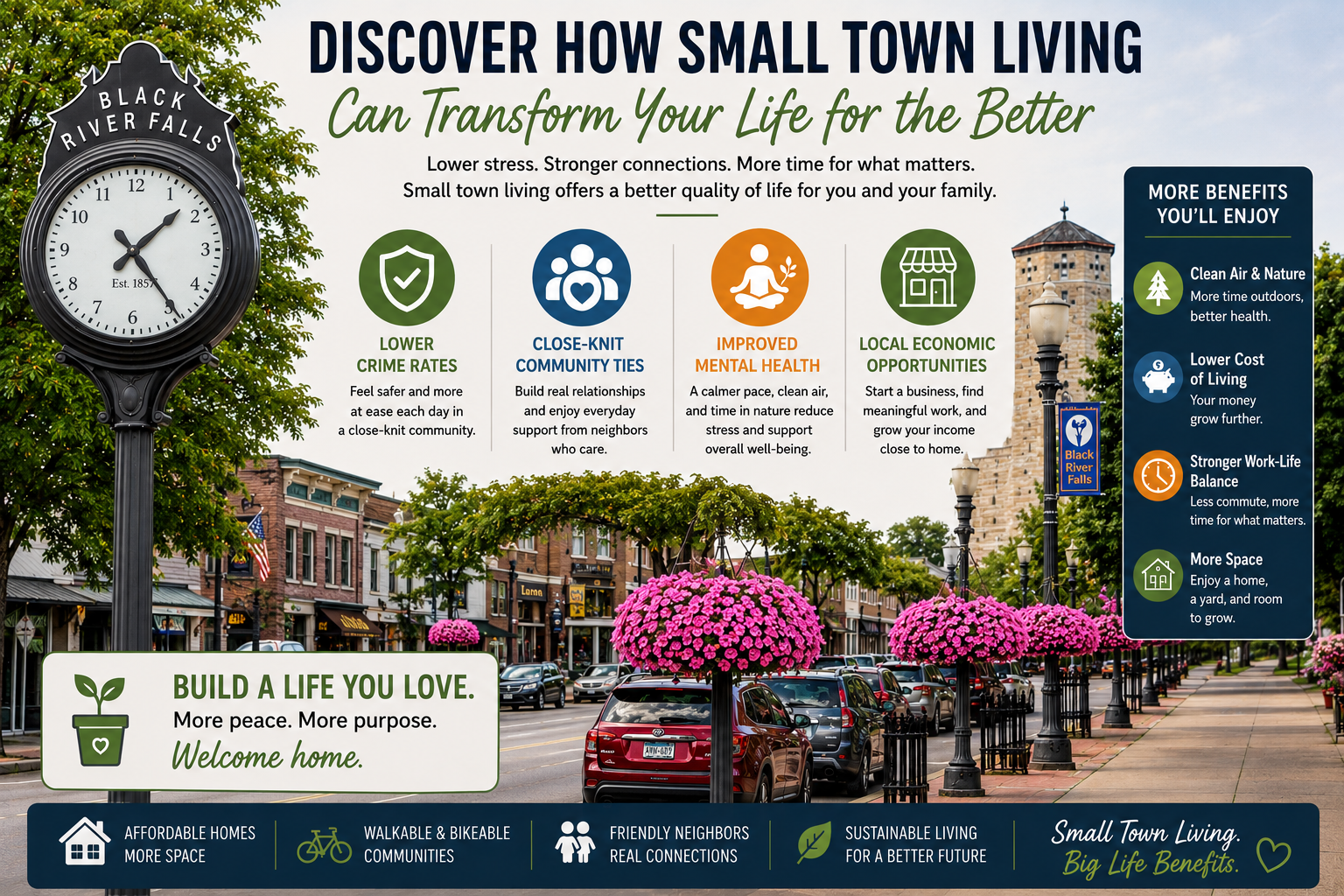
Discover How Small Town Living Can Transform Your Life for the Better
For new residents and families ready to trade constant noise for steadier days, the appeal of a smaller zip code is more than a daydream. The real tension is burnout: rising expenses, long commutes, and a sense of disconnection that makes even good weeks feel heavy. Small town living can reset the basics -- lower cost of living, cleaner air, and a community where people recognize each other and show up.
Quick Summary: Small Town Living Benefits
- Embrace lower crime rates to feel safer and more at ease each day.
- Build close-knit community ties that strengthen belonging and everyday support.
- Experience improved mental health through a calmer pace and less daily stress.
- Explore local economic opportunities that help you grow work and income close to home.
Understanding Why Small Town Life Feels Different
Small town appeal comes from tight community support, a calmer daily rhythm, and routines that lean practical. Even the layout matters, since smart growth strategies can protect landscapes and make walking or biking feel like a normal choice.
Your stress load often drops when life is less transactional. When neighbors notice you and errands take less energy, your choices get simpler. Over time, that support helps habits stick -- from cooking at home to buying with sustainability as an important factor in mind.
Start a Business Where People Actually Root for You
Small towns can be a surprisingly strong place to launch a business. There's often less direct competition, and the support is real -- people talk, they refer friends, and they show up when they know the owner. That kind of encouragement can make entrepreneurship feel less cutthroat and more doable.
As you move from idea to reality, think about business structure. Forming an LLC can be a practical middle ground for many new owners -- offering limited liability protection, potential tax advantages, and flexibility as your business grows. You don't need to pay hefty lawyer fees to get started either; you can file yourself or use a formation service like ZenBusiness.
Make the Move: A Small-Town Transition Plan
A small-town move gets easier when you treat your first month like a simple project. Here's how:
- Define your "why" and your must-haves. Write a one-paragraph reason you're moving, then list five non-negotiables: internet quality, commute limit, school needs, medical access, and space requirements. This keeps you from getting swayed by one charming house or one loud opinion.
- Run a housing affordability snapshot before you tour. Pick a monthly housing cap and calculate the all-in cost -- mortgage or rent, taxes, insurance, and utilities.
- Spend one weekend doing a "service scavenger hunt." Confirm the basics in person: grocery options, pharmacy hours, urgent care distance, and cell coverage. Ask locals, "Who do you call for plumbing?" Knowing how a town functions day-to-day removes a lot of first-month stress.
- Choose a housing strategy that matches your first 90 days. If you can, rent for three to six months to learn the neighborhoods. If you buy, prioritize a solid home over a flashy one. Many people find small towns offer more spacious living arrangements -- just confirm you can comfortably maintain the extra space.
- Build local connections fast with a "three-yes" rule. In your first two weeks, say yes to three community touchpoints: a library event, a volunteer hour, and a regular coffee shop visit. Introduce yourself with a simple line: "I'm new here -- what should I know?"
- Get outside on a schedule. Pick two default outdoor routines -- a short walk after dinner and a longer weekend loop. Ask locals where they go each season. The goal is to use nature to anchor your days while everything else is new.
Questions People Ask Before Going Small-Town
Q: How does small-town living improve mental health?
A: Fewer daily pressures often mean fewer decisions, shorter commutes, and more breathing room. If you're moving during peak moving season, planning early reduces the last-minute chaos that spikes stress.
Q: How do small towns build community?
A: Repeated, familiar interactions build trust fast -- from the library to local shops. Introduce yourself to three neighbors and ask who they rely on for services and town updates.
Q: How does a slower pace impact daily well-being?
A: A calmer rhythm gives you more time to cook, sleep, and be outdoors. Protect that benefit by setting gentle limits, like keeping one evening a week screen-free.
Choosing Small-Town Living for Lasting Quality of Life
It's easy to feel torn between city convenience and the quieter pull of small-town life. The steadier path is a mindset shift: prioritize long-term quality of life, lean into community values, and let your daily choices reflect what matters most. Less noise and more genuine connection create real room for growth. That small move can lead to a life built on resilience, health, and belonging.
Author: Dean Burgess